Girls deserve the same opportunities, respect, education, safety, and freedom that families and society aspire to give every child.
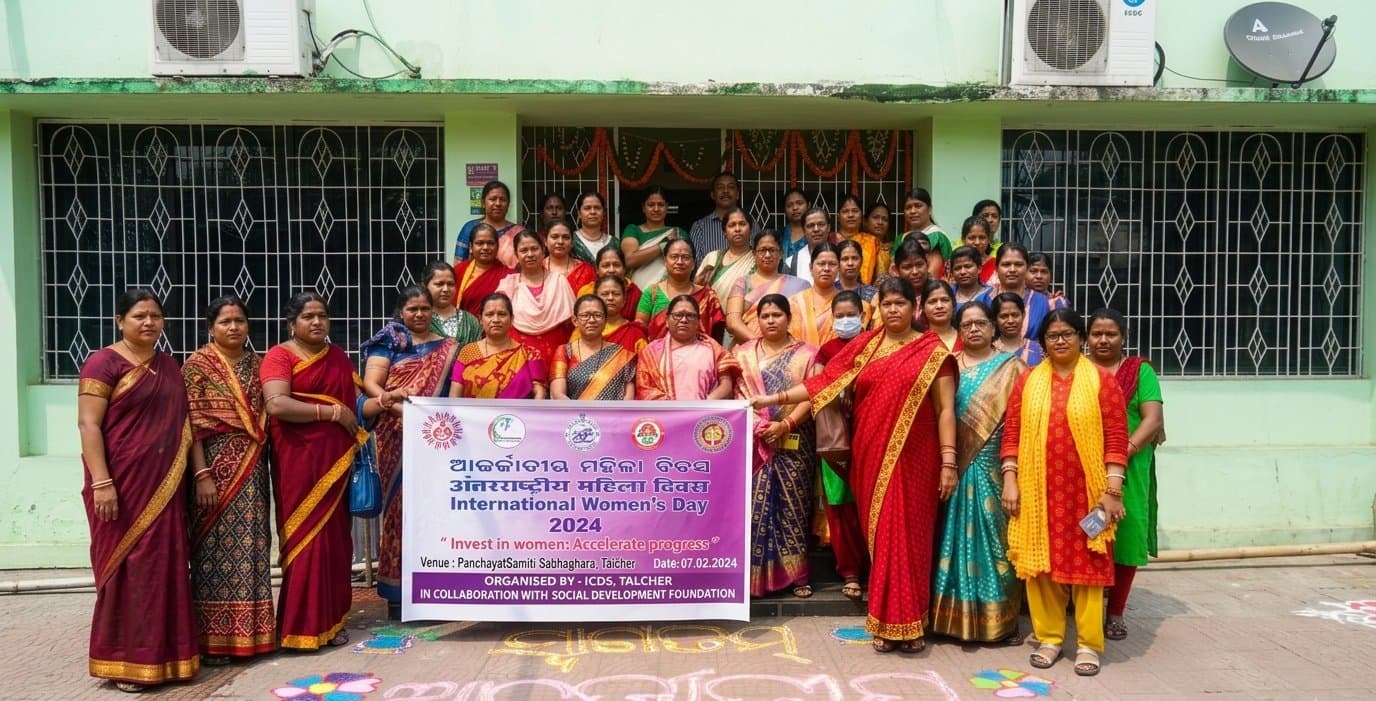
The declining child sex ratio remains an important social concern in Odisha. Although the state has historically recorded a better child sex ratio than the national average, variations among districts indicate the need for sustained efforts to promote the survival, dignity, education, and empowerment of girls. Social Development Foundation (SDF) has therefore undertaken initiatives to create an environment where girls can grow safely, access equal opportunities, continue their education, and participate meaningfully in family and community life — in collaboration with government departments on Biju Kanya Ratna Yojana (Ama Kanya Ama Ratna) and Beti Bachao Beti Padhao.
Key Objectives
- 1Prevent gender discrimination and gender-biased practices.
- 2Promote the survival, health, nutrition, and well-being of girls.
- 3Encourage enrolment, regular attendance, and retention of girls in school.
- 4Create awareness among families and communities about the equal value and rights of girls.
- 5Encourage girls to express their views and participate actively in decisions affecting their lives.
- 6Mobilize community institutions and stakeholders to support the protection and development of the girl child.
Project: Educate the Girl Child — “Let Me Live, Let Me Read”
Gender inequality, discrimination, violence, early marriage, school dropout, and limited participation in decision-making continue to affect the lives of many women and girls. During its engagement with women, adolescents, community groups, and local institutions, SDF identified a strong need for platforms where women and girls could speak openly about their concerns and participate in finding solutions.
Project Mandate — A Phased Approach
- 1Preparatory and Capacity-Building Phase — awareness generation, community mobilization, capacity building, and formation of women-led community groups.
- 2Direct Implementation Phase — implementation of activities with communities and targeted groups.
- 3Sustainability and Exit Phase — strengthening community ownership, local leadership, institutional convergence, and long-term continuation of activities.
Target Groups
- 1Adolescent girls
- 2Young women and mothers
- 3Homemakers
- 4Women's Self-Help Groups (WSHGs)
- 5School dropouts
- 6Young men and boys
- 7Community-based organizations
Major Areas of Intervention
Adolescent Girls: age-appropriate health awareness, life skills, social skills, education, health rights, and access to services, with special attention to girls who have discontinued schooling.
Homemakers and Young Mothers: health awareness, sexual and reproductive health and rights, legal rights, government entitlements, household and community decision-making, and livelihood opportunities.
School Dropouts: reconnecting with educational opportunities, vocational and livelihood-oriented training, and awareness on early marriage, adolescent pregnancy, and available support services.
Women's Self-Help Groups: strengthened not only as financial and livelihood platforms but as community institutions capable of supporting vulnerable families and promoting the rights and safety of women and girls.
Men and Young Boys: engaged as partners in preventing violence and discrimination against women and girls, through discussions on gender equality, respectful relationships, and shared decision-making.
SDF Action Plan
- 1Capacity building and leadership development
- 2Skill enhancement and livelihood-oriented training
- 3Establishment and strengthening of village resource centres
- 4Community awareness and mobilization
- 5Convergence with government programmes and services
- 6Collaboration with district administration and CSR initiatives
The project follows a gradual approach, beginning with awareness generation and capacity building and progressing towards direct implementation and community ownership — with WSHGs, community-based organizations, and local representatives active at the village level, and SDF working towards convergence with government departments, district administration, CSR initiatives, and health services at the block and district levels.