Helping girls and women overcome fear, shame, and social taboos so menstruation is met with confidence and dignity, not silence.
Menstrual hygiene is an important aspect of the health, dignity, education, and well-being of women and girls. Menstruation is a natural biological process, yet inadequate knowledge, limited access to suitable menstrual hygiene materials and sanitation facilities, social stigma, embarrassment, and traditional taboos can create difficulties for girls and women.
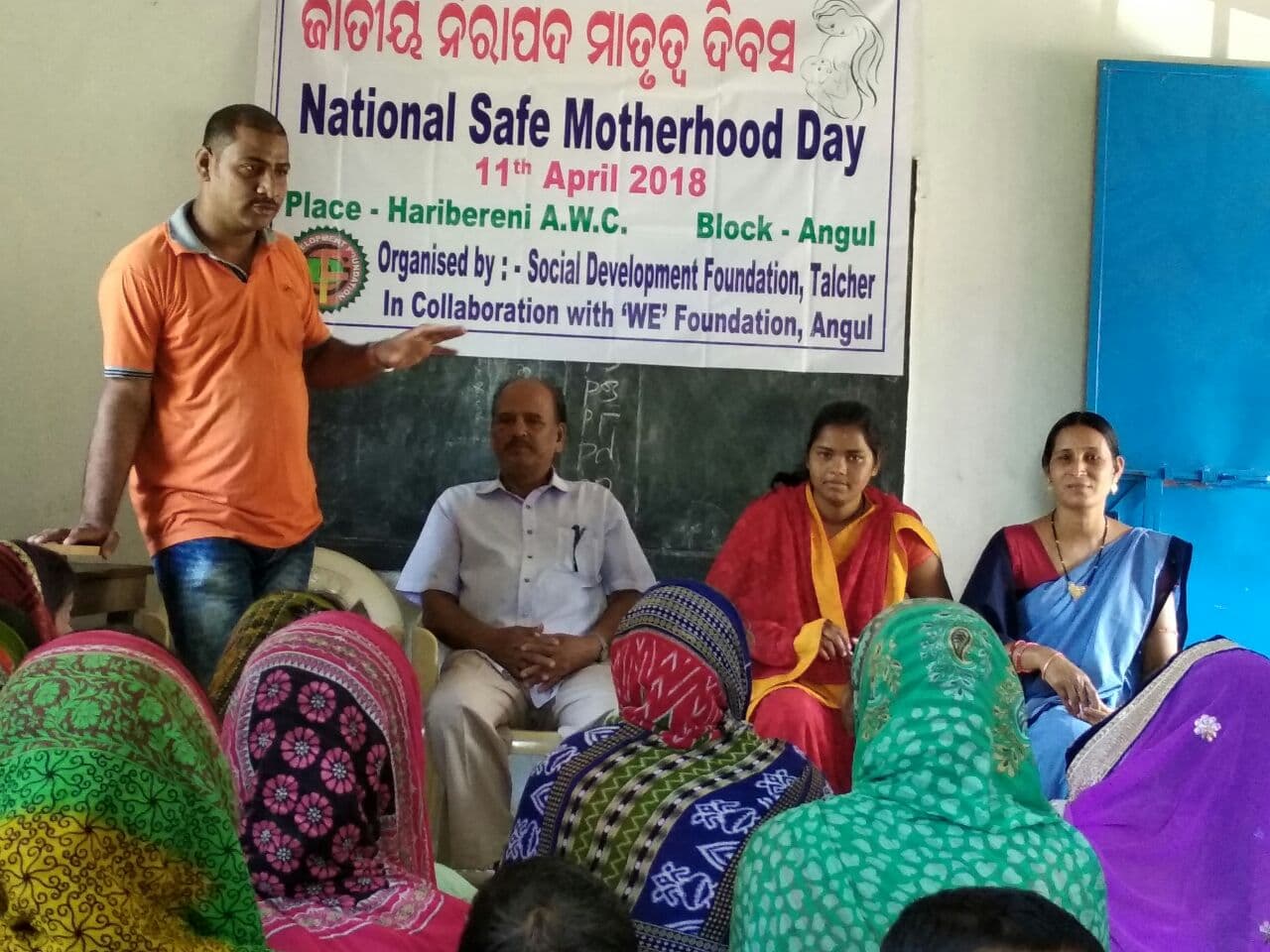
World Menstrual Hygiene Day is observed every year on May 28 to promote awareness and encourage healthier, safer, and more dignified menstrual practices. Social Development Foundation conducts training programmes, awareness campaigns, workshops, and community activities for women and adolescent girls under its “Educate Girl Child – Let Me Live, Let Me Read” initiative in Angul district.
The programmes aim to provide accurate information about menstruation, encourage hygienic practices, and help girls overcome fear, shame, misconceptions, and social taboos associated with menstruation.
Major Topics Discussed
- 1Understanding menstruation and why it occurs.
- 2Basic knowledge of the female reproductive system.
- 3Understanding the menstrual cycle and its normal variations.
- 4Common experiences during menstruation, including fear, embarrassment, discomfort, and social stigma.
- 5Proper personal hygiene and cleanliness during menstruation.
- 6Safe use, changing, washing, drying, and disposal of menstrual hygiene materials.
- 7Importance of access to clean water, sanitation facilities, and privacy.
- 8Encouraging girls to seek appropriate support when they experience unusual or severe menstrual problems.
Through these initiatives, SDF seeks to strengthen community awareness, promote healthy practices, reduce harmful misconceptions, and create a supportive environment in which women and girls can manage their health with confidence and dignity.