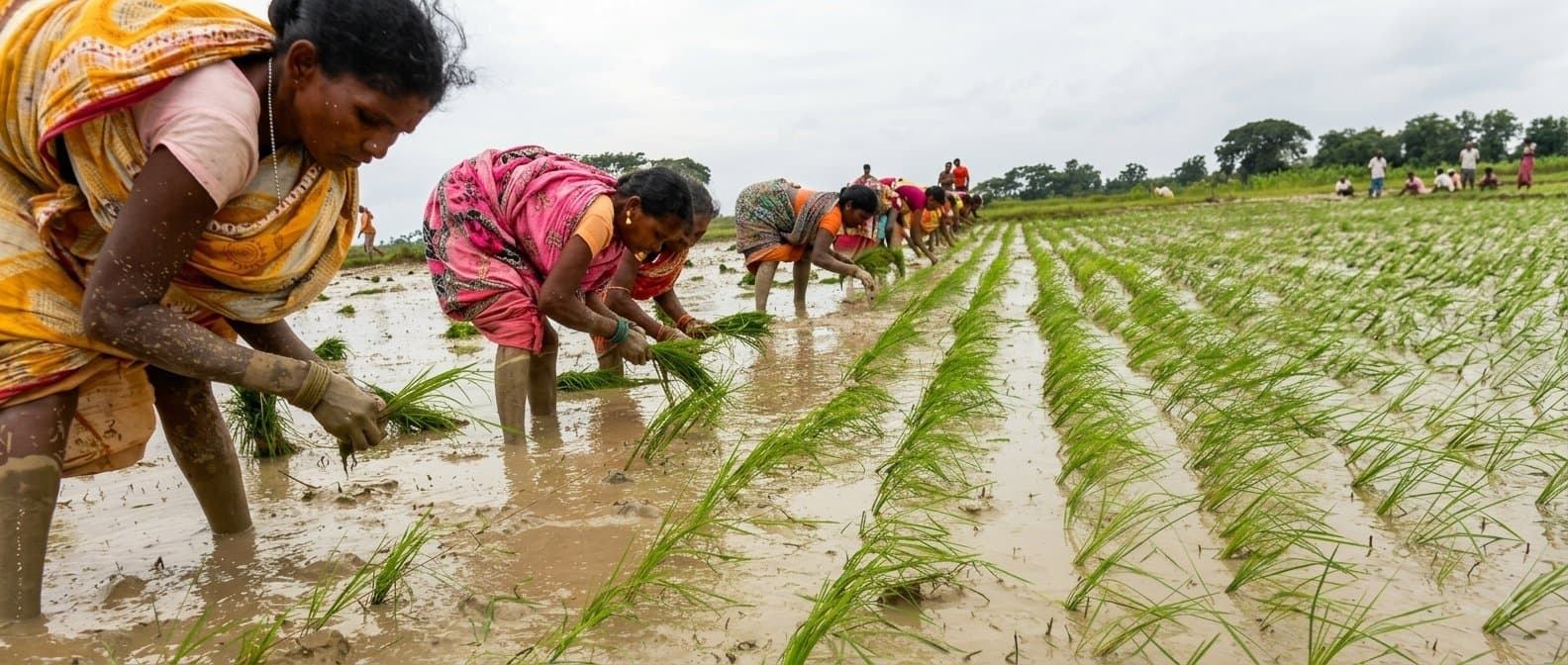
Putting nutrition back on the family plate first — before the surplus ever reaches the market.
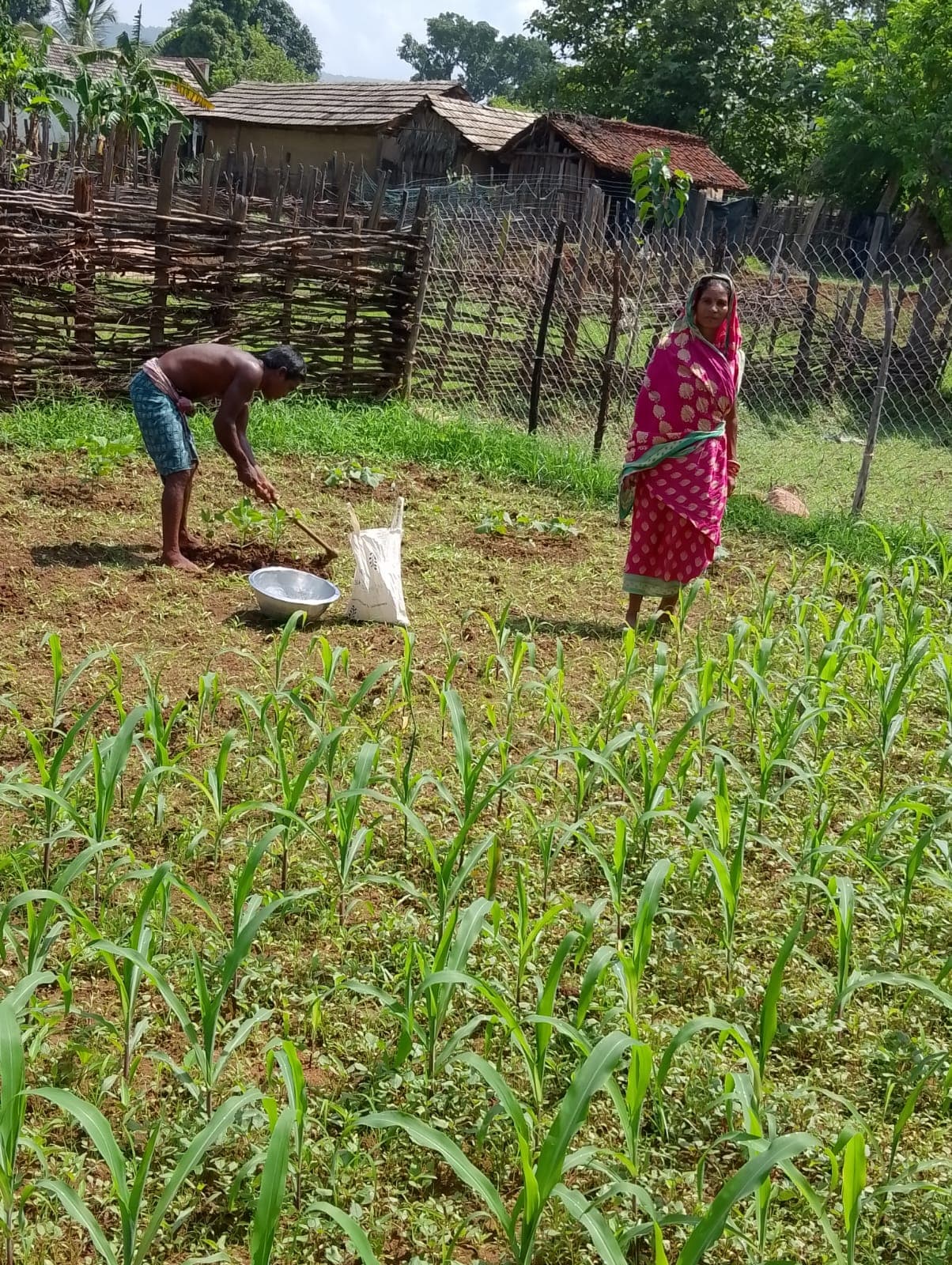
Maize and sweet-corn cultivation on a household plot
Rationale
Vegetables are an essential part of a healthy diet and provide important vitamins, minerals, fibre, and other nutrients. Odisha has considerable diversity in its geographical conditions, climate, soil types, and availability of water. These factors influence the availability and production of vegetables across different seasons and regions.
In many rural and tribal communities, particularly among economically disadvantaged households, access to vegetables can be limited by seasonal availability and purchasing capacity. Although some households cultivate vegetables, a significant proportion of the produce may be sold to meet immediate household expenses rather than being retained for family consumption. As a result, regular vegetable consumption remains inadequate among many vulnerable families, contributing to poor dietary diversity and nutritional deficiencies.
The “My Vegetable – My Land” initiative therefore focuses on poor and marginal farmers, women farmers, landless households, sharecroppers, and vulnerable tribal communities, including households in PVTG areas. The programme promotes household-level vegetable production so that families can improve their access to nutritious food while also creating opportunities for additional income.
Objective
The programme aims to strengthen the connection between land, vegetable production, nutrition, and livelihood security through grassroots-level awareness, capacity building, and practical training.
SDF Action Plan
Social Development Foundation proposes to facilitate the programme through:
- 1Capacity building and skill development of community members.
- 2Knowledge generation, management, and sharing.
- 3Establishment and strengthening of village-level resource centres.
- 4Promotion of convergence with government agricultural schemes and programmes.
- 5Collaboration with resource organisations and district-level authorities.
- 6Regular technical support and community-level facilitation.
Major Activities
The programme will focus on the following activities:
- 1Organising awareness and community mobilisation camps.
- 2Formation and strengthening of Self-Help Groups (SHGs) and Common Interest Groups (CIGs).
- 3Promotion of organic and environmentally responsible vegetable cultivation.
- 4Encouraging vegetable production as an additional source of household income.
- 5Developing group-based marketing systems for surplus organic vegetables.
- 6Promotion of household and bio-intensive kitchen gardens.
- 7Training farmers on improved cultivation practices and the nutritional importance of vegetables.
- 8Encouraging families to prioritise household consumption of vegetables while selling the surplus.
- 9Promoting organic production methods.
- 10Encouraging fruit cultivation at the household level.
Expected Outputs and Outcomes
The programme is expected to generate the following outcomes:
- 1Beneficiary households will develop greater awareness of the nutritional importance of vegetables.
- 2Households in the target areas will establish and maintain bio-intensive kitchen gardens.
- 3A larger number of families will cultivate vegetables for regular household consumption.
- 4Improved dietary diversity is expected to contribute to a reduction in nutrition-related problems.
- 5Sale of surplus vegetables and fruits will create opportunities for additional household income.
- 6Communities will gain practical knowledge of sustainable and low-cost vegetable production.
Implementation Strategy
Community institutions will play an active role in planning, implementation, and monitoring of programme activities. Collective decision-making will be encouraged so that local communities can identify their priorities and participate in determining appropriate interventions.
Social Development Foundation will provide facilitation, technical support, and regular monitoring. Local volunteers will also be identified and trained to support programme implementation and continue community-level activities after the completion of the project period. This approach is intended to strengthen local ownership and ensure the sustainability of the initiative.
A Closer Look
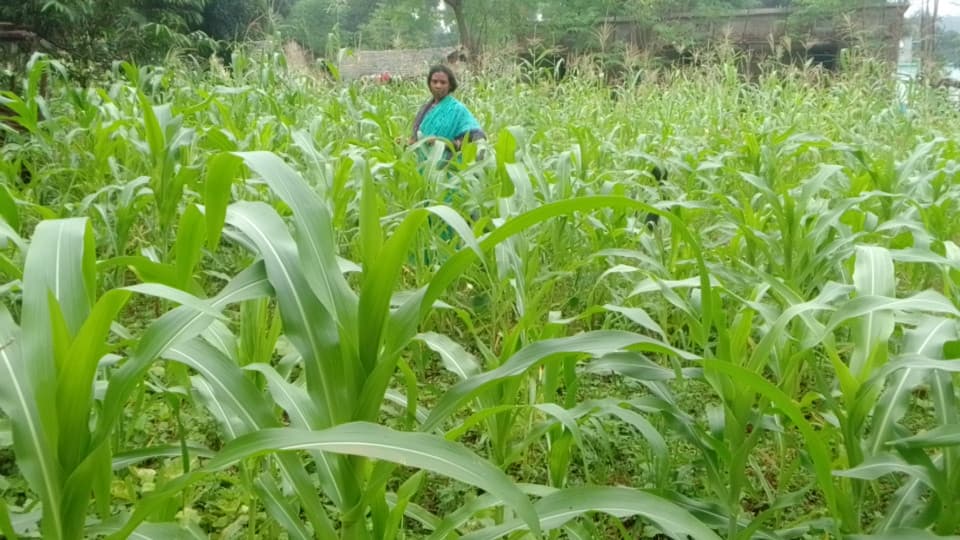
Maize cultivation on a household plot