Seven years of World Toilet Day campaigns turning safe sanitation from a construction target into a matter of dignity, safety, and daily habit.
Sanitation is an essential component of public health, hygiene, dignity, and community well-being. It involves the safe management, treatment, and disposal of human waste and wastewater in order to prevent the spread of disease and protect people and the environment. Access to safe and functional toilets is particularly important because it contributes to better health, personal safety, privacy, and human dignity, especially for women, children, older persons, and vulnerable communities.
Despite progress in sanitation, many communities continue to face challenges related to inadequate toilet facilities, poor waste management, hygiene practices, and the sustainability of sanitation services. Addressing these challenges requires more than simply constructing toilets. It requires community participation, awareness, responsible use, regular maintenance, proper waste disposal, and effective local systems.
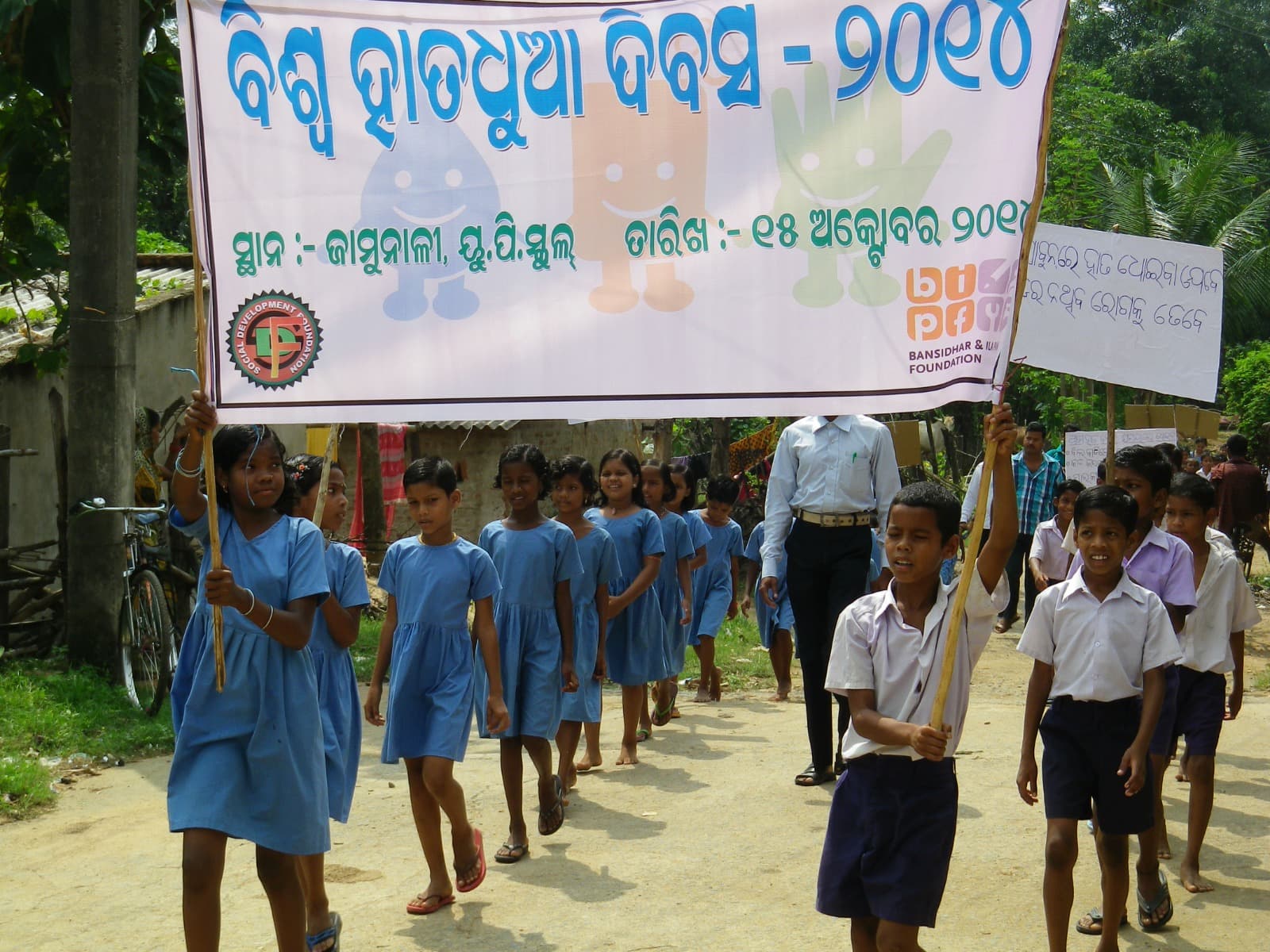
World Toilet Day provides an important opportunity to create awareness about sanitation and encourage collective action to ensure that everyone has access to safe and dignified sanitation facilities. Recognizing the importance of this issue, the Foundation has been conducting awareness campaigns on World Toilet Day for the past seven years at the grassroots level across the undivided districts of Angul and Dhenkanal, Balangir, Khordha, and the undivided KBK districts.
Objectives
The major objectives of the programme are:
- 1To create awareness among communities about the importance of safe and hygienic sanitation.
- 2To highlight the difficulties faced by people who do not have access to adequate toilet facilities.
- 3To promote the regular use, cleanliness, and maintenance of toilets.
- 4To encourage community members to take collective responsibility for improving sanitation practices.
- 5To motivate people to participate actively in addressing sanitation-related challenges.
- 6To promote dignity, safety, and improved quality of life through universal access to sanitation.